❋
October 2026Ross on Wye Youth Voices:
This is what 11-18 year olds have to say about growing up in Ross
601 anonymous survey responses
11-18 age range (mostly 11-15)
52% female | 41% female | 2% non binary | 4% prefer not to say
16% neurodiverse
6% disabled
7% born outside the UK | 93% born in the UK
In 2026 Rural Media’s P.O.V. project set out to capture and platform the views of young people living and studying in and around Ross-on-Wye, Herefordshire. An online survey asked young people about their lives and experiences, specifically about what they love, what they find challenging, how they spend their free time and what they would like to change about the area. More than 600 young people aged 11-18 completed the survey.
We also spent time creatively engaging young people who attend the Basement Youth Trust, making a youth-led short film with them. A new creative writing group was started, and The Courtyard’s Phoenix Youth Theatre group have produced dramatic responses to what they and their peers shared via the survey. We also supported young photographers to take portraits of people at The HUB in Ross.
As we’ve spent time with young people exploring this rural town - the second biggest settlement in Herefordshire, we’ve found a town with many activities available for young people, particularly sports, but many young people still feeling there is nothing to do. There is a disconnect between what’s available and how young people find out about activities and opportunities that suit them. Consistent themes have come up time and time again, with our favourite suggestion being a SKI LIFT for all the hills they have to walk up!
The results are fascinating and create a hugely important opportunity for local decision-makers and stakeholders to listen to the young people growing up locally in 2026, and then take action on their recommendations shaped by lived experience. Please enjoy the data and take action if you are able.
- Toni Cook, Creative Producer. P.O.V
What Young People Love About Where They Live
601 young people from Ross-on-Wye were surveyed about their lives. A key question (open text) asked “What do you love about where you live?”. The following themes came up repeatedly and come across most strongly:
A minority talk about boredom, or found nothing to love; one respondent's answer focused entirely on feeling unsafe — a useful, if stark, counterpoint to the otherwise strongly positive picture.
Key takeaways for decision makers
The comments from young people paint a consistent and strong picture of what Ross-on-Wye's young people value:
Nature in specific and personal terms. The countryside, woods, farms and especially the River Wye are not a generic backdrop. Young people take the time to describe particular details - a favourite lake, a nan's farm, feeding ducks - that show real, lived attachment to the town and its surrounds.
Relationships make the place. “That I can see my friends and family” is repeated almost verbatim by dozens of respondents.
Safety is explicit, not just implied. This fuller dataset shows young people don't only describe Ross as quiet. Many actively describe it as safe, a distinction worth taking seriously given how few said the opposite.
Existing youth provision is genuinely valued. The skate park and youth club, cadets, and sports/drama clubs are named with real enthusiasm. These are assets to build on and protect, not gaps.
Everyday local businesses are part of the attachment. Specific shops and food spots (Greggs, Aldi, Morrisons, fish & chip shop, Costa) show that convenience and familiarity matter alongside scenery — love for a place is built from small, concrete things as much as big views.
A strong, small-town identity underlies almost everything. Events like the Ross fairs and a sense that “everyone knows everyone” give the town a character respondents are proud of.
Dissent is rare but real. A small number found nothing to love, and one stark response was entirely about feeling unsafe alongside the specific worry, raised more than once, about new housing development.
Overall, the dominant experience is a strong, largely unprompted attachment to the natural environment, close relationships, safety, and a distinctive small-town atmosphere with existing youth provision and everyday local businesses standing out as concrete, valued assets worth protecting and building on.
A note on dissenting and mixed views
Not every response was positive. A handful of young people said there was “nothing” they loved, or described the area as boring:
“To be fair its kinda borning where i live, theres old old people around”
“Nothing it's ****”
One respondent also raised a specific concern alongside their positive comment which we include here as it touches on young people’s engagement with local changes.
“I love that there is a park at the top of the road so it’s easy to get to and there’s a really nice walk up to some fields but the [thing] I hate is that there [are] adding new houses in the really pretty fields”
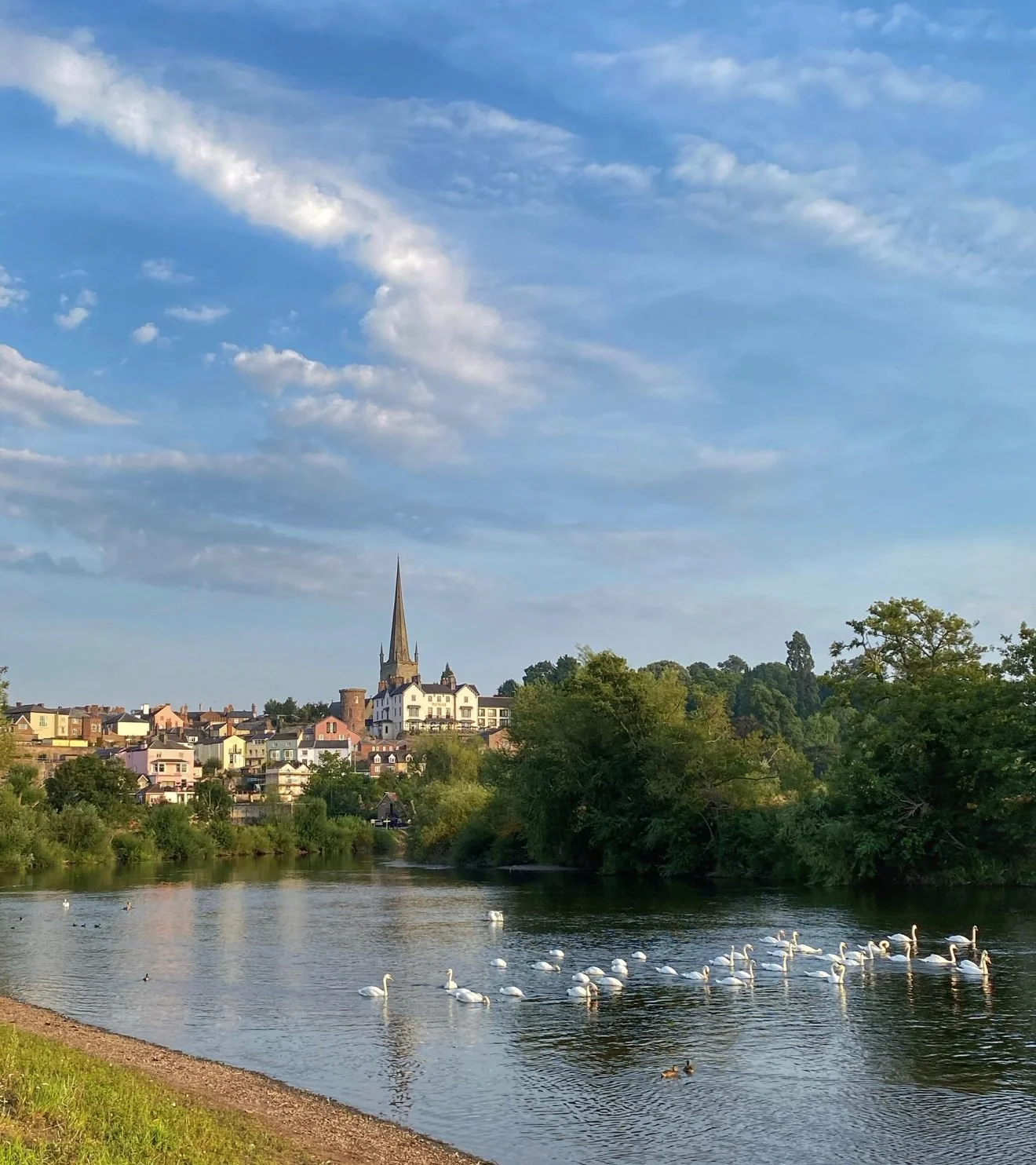
The natural environment — countryside, fields, woods, farms, wildlife and views — is the single largest and most consistent source of affection, mentioned by a clear majority of respondents.
The River Wye is repeatedly singled out by name, valued for walks, wildlife, play and simply being a defining feature of the town.
Friends and family are central and recur constantly: for many respondents, “where I live” and “who I'm near” are effectively the same answer.
Feeling quiet, calm and safe is a strong and recurring theme in its own right — several respondents explicitly say they feel safe, with low crime and “no kidnappers,” not just that it is peaceful.
Parks, sports clubs, cycling, mountain-biking trails, cadets, the youth club and skate park are valued as active things to do, not just green space to look at.
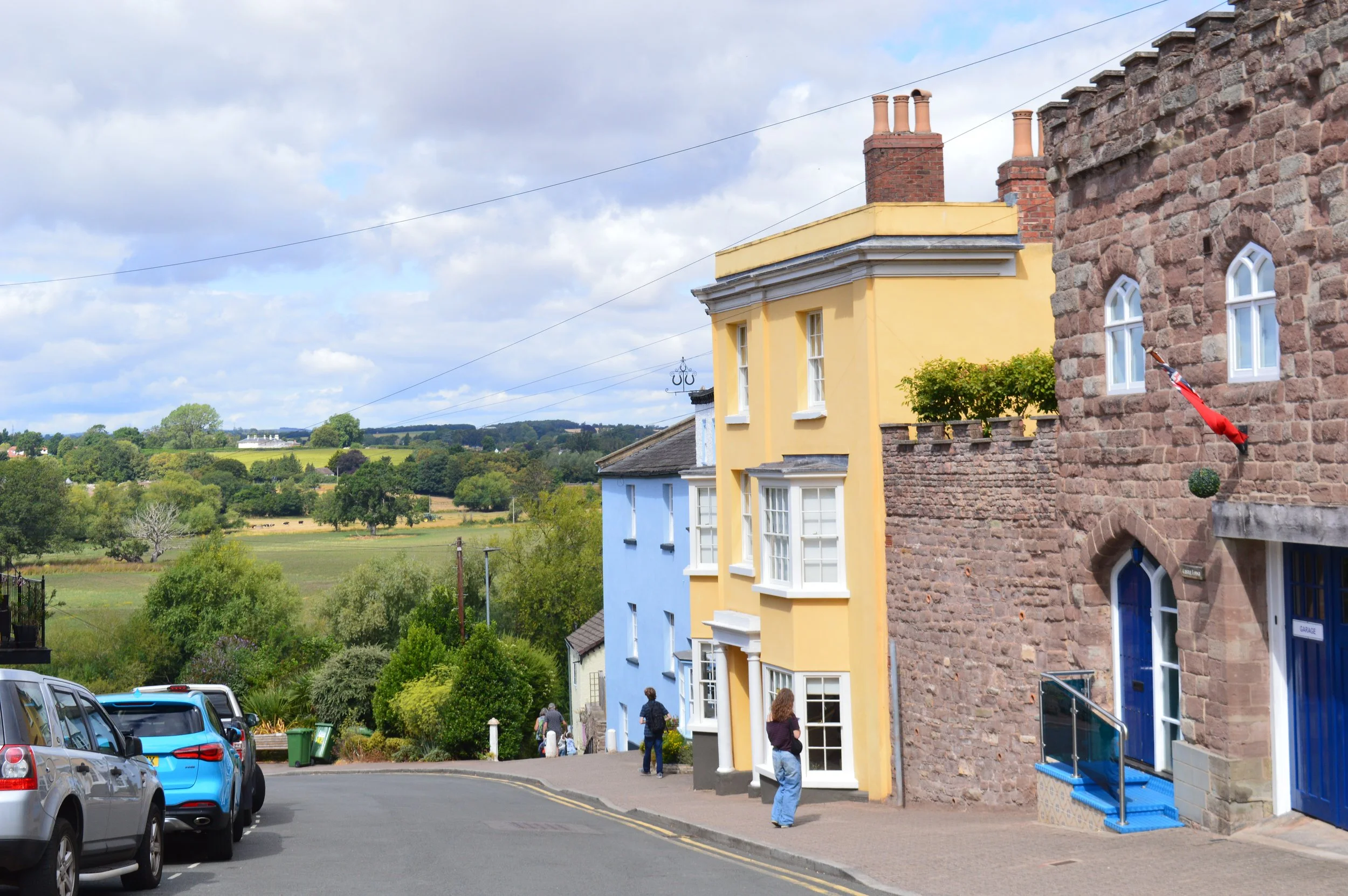
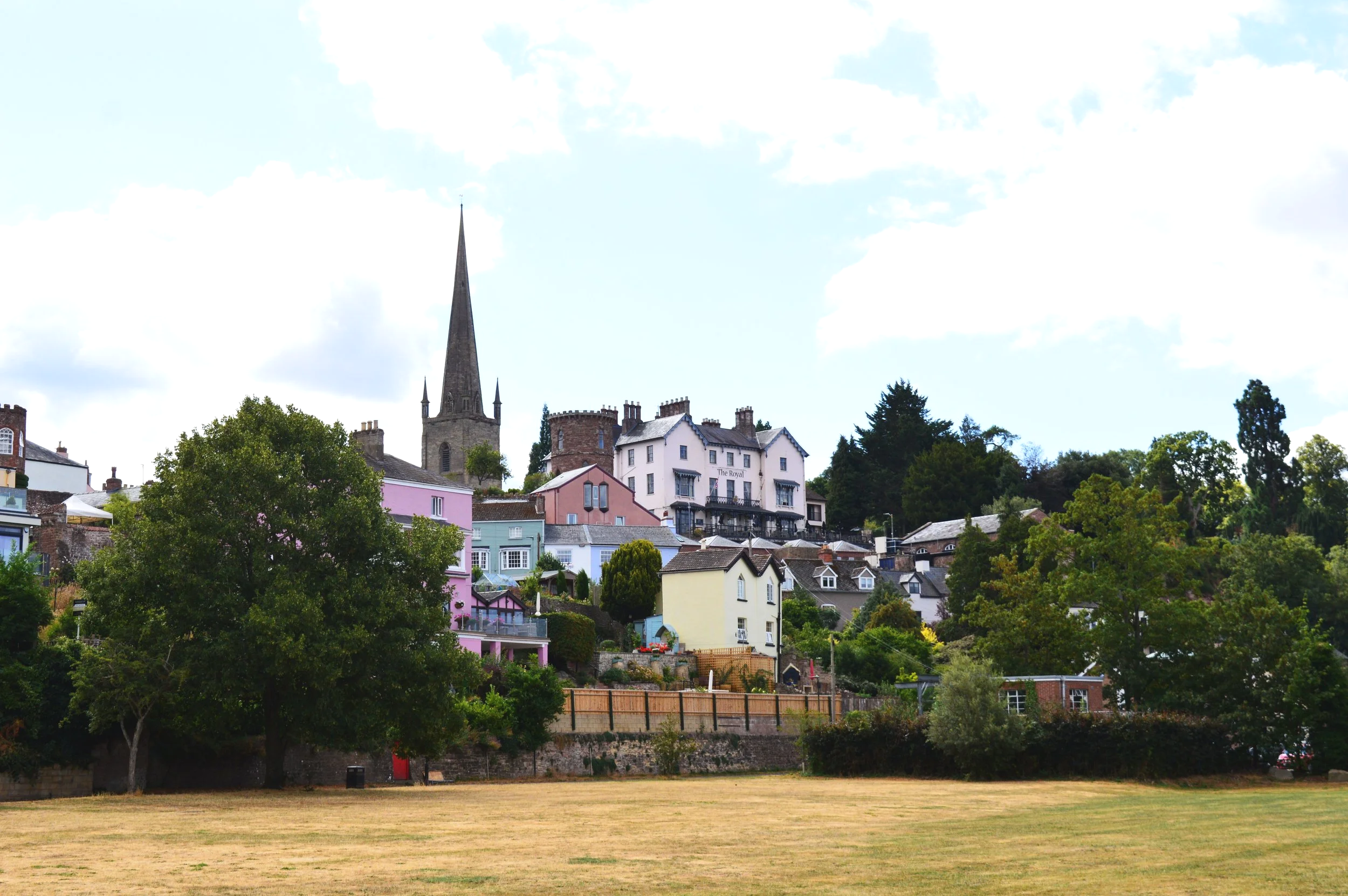
A strong small-town identity comes through - events like the Ross fairs are mentioned - giving a sense that “everyone knows everyone,” and explicit contrasts with the pace of city life.
Everyday, specific local amenities matter a great deal: named shops and food spots (Greggs, Aldi, Morrisons, Costa, fish & chips) come up often and with real affection, alongside cafes and the leisure centre.
Everyday, specific local amenities matter a great deal: named shops and food spots (Greggs, Aldi, Morrisons, Costa, fish & chips) come up often and with real affection, alongside cafes and the leisure centre.
Challenges Young People Face Where They Live
There are challenges that young people raised repeatedly:
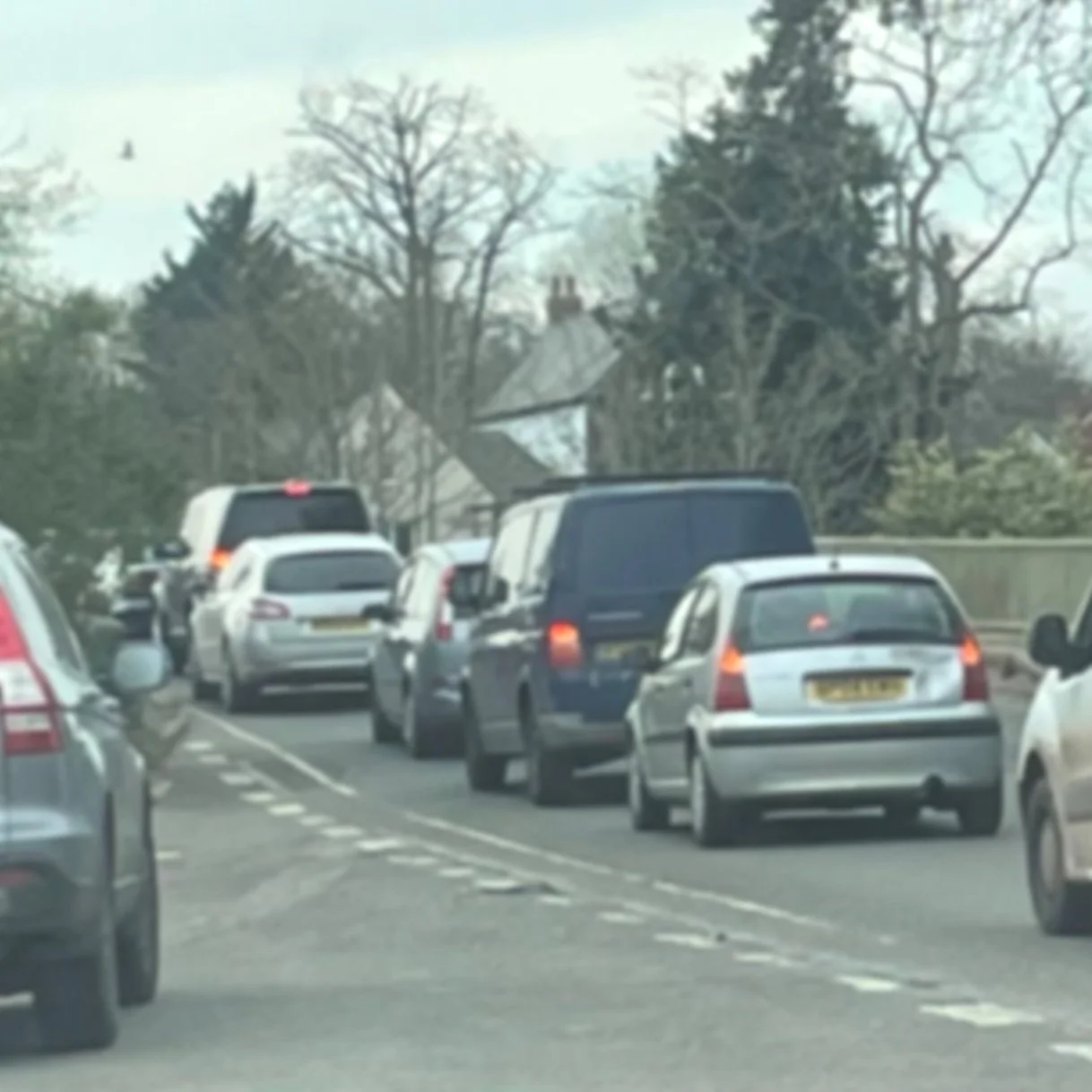
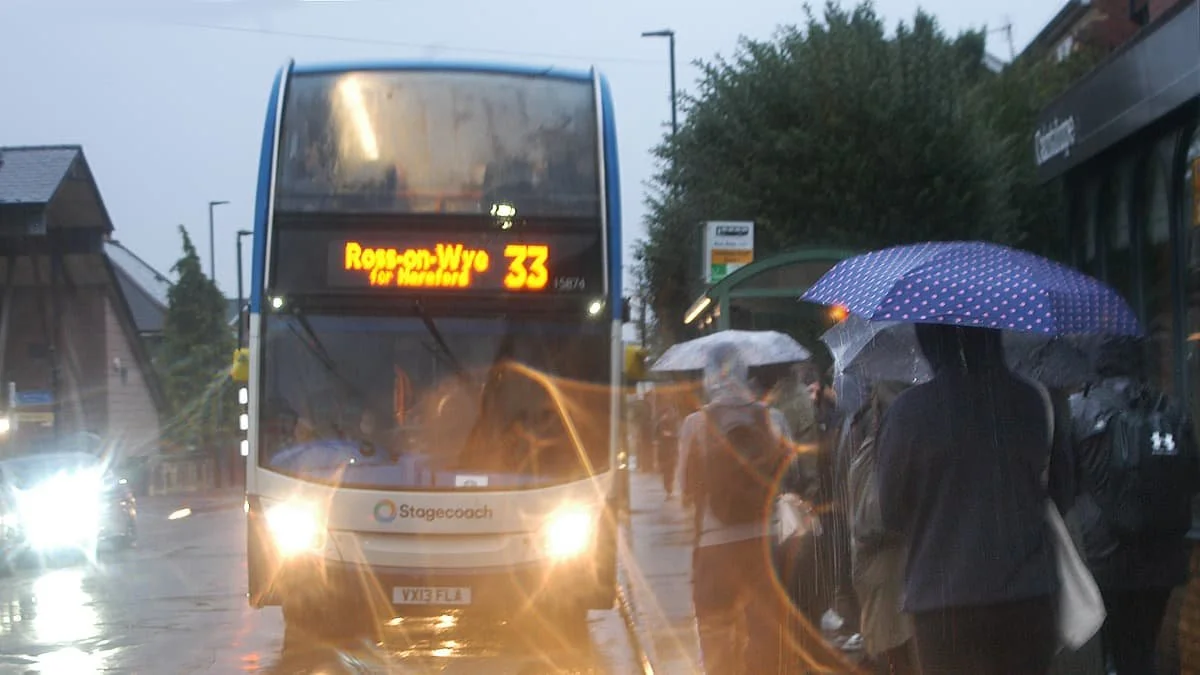
Transport is the single most widespread frustration - infrequent, unreliable or non-existent bus services, no train station, and heavy reliance on parents for lifts.
Distance and travel time to school, friends and town come up constantly, often made worse by hills, long walks, or living in an outlying village or estate.
Road safety is a strong and recurring theme: dual carriageways, unsafe crossings (several near John Kyrle High School specifically), speeding traffic, potholes and a lack of cycling lanes.
Boredom and a lack of things to do for young people, especially teenagers, is one of the single most repeated complaints - many feel there is little beyond a park or sports clubs, with no cinema, bowling or similar.
The local retail offer is criticised often: too many charity shops and hairdressers, and nowhere to buy ordinary clothes without travelling to Hereford or further.
A meaningful minority describe feeling unsafe - antisocial behaviour, noise, drug activity, and in a few cases bullying by other young people - and a related thread describes Ross as lacking a genuine community feel.
Flooding, potholes and river pollution are recurring practical and environmental frustrations, sometimes directly stopping young people from playing sport.
New housing development on countryside and fields is raised as an emerging concern by a small but clear number of respondents, notably the same countryside these young people say they love.
A very large number of respondents said they face no particular challenge at all (“nothing,” “none”) - a genuinely contented segment worth keeping in view alongside the concerns above.

Key takeaways for decision-makers
When you consider the challenges raised alongside what young people love about the area, it’s clear that transport is a problem sitting behind many specific challenges. Several complaints that look separate - feeling isolated, boredom, distance from friends, not being able to get to Hereford for a cinema trip - have a root cause: poor or patchy transport options.
The countryside is loved but also under threat. The strongest positive theme in the companion report (access to fields, woods, open space) reappears here as a specific concern: the loss of that countryside.
There is a genuine, specific youth-provision gap. “Nothing to do” is one of the most repeated single complaints, particularly for the 11–18 age range, with several respondents naming indoor/evening options (cinema, bowling, teen-friendly places to eat or hang out) as what's missing.
Everyday safety on foot and by bike is a very current, practical concern. Specific road crossings, notably near John Kyrle High School, trying to get across the dual carriageway, and a lack of cycling lanes are named repeatedly enough to be seen as infrastructure issues rather than isolated complaints.
Feeling part of the community is inconsistent. While many respondents love their local community, a minority have spoken up in this survey to tell us they feel isolated, with neighbours who “don't really mix”. A smaller number described antisocial behaviour or bullying that affects how safe they feel.
A large baseline of contentment exists. A substantial share of respondents reported no particular challenge at all -concerns were shared, but they sit alongside genuine satisfaction for many.
Overall, the challenges young people describe are less about disliking Ross-on-Wye and more about specific gaps - the transport, youth provision, safe crossings and shop variety - in a rural home many of the same respondents clearly feel attached to.
What changes would you like to make to Ross on Wye… if money were no object?
Young people were asked what changes they would like to make to Ross on Wye if money were no object, and again if there was a modest budget.
For the zero budget answers young people’s ideas fall under eight themes that we’ve grouped them from big-ticket dream infrastructure (theme parks, train stations, even a ski lift up the hills) to more achievable practical needs (youth spaces, the river, shops, safety).
The results reveal that, regardless of budget, the priorities barely shift. "Better skate park" becomes "huge indoor skate park," "youth club" becomes "youth hall with free minibuses and SEN space" - these are the same needs, but on a bigger scale.
Notably, with no limit on budget, a high number of young people would spend money on other people rather than themselves: independent calls for homeless shelters ("a warm home for them to live in"), disability-inclusive parks, autism-friendly activities, anti-bullying spaces, and one respondent who carefully worked through a hypothetical football-shortage scenario to make sure no child was left out. There's also a recurring, perceptive complaint about not being trusted or being watched by adults in public spaces.
One respondent, describing an entirely hypothetical scenario about a football club running short of footballs, painted a picture of making sure no child would be left without one - an unprompted, small-scale fairness instinct that's easy to miss amid the bigger asks. Another wrote a genuinely detailed, generous plan for a free weekly community event - outdoor cinema, rotating activities run by local shops, free tickets and snacks for everyone, not because it was asked for, but because they'd clearly thought about what would bring the town together.
-
Freed from budget, young people make requests that are bigger versions of ordinary asks (somewhere to swim, somewhere to travel to) rather than random extravagance.
A theme park, and/or a water park with slides
A train station, and (less often) an airport
A zoo or butterfly zoo, a mini Eden Project
A stadium or arena for concerts and events
A dirt bike / motocross track, a go-kart track
A bigger hospital, and reopening St Michael's Hospice
A ski lift up the town's steep hills “to avoid sweating on the morning walk to school”
-
This is the most emotionally consistent theme — many describe wanting to exist somewhere without being judged, moved on, or told off.
A youth hall / youth hub / community hub “to meet new friends and hang out without technology”
A dedicated teen space (ages roughly 13–19), separate from younger children
A space specifically free of “drunk adults or people on drugs”
Quiet, SEN-friendly space, and activities adapted for autism
A club for young carers
A free club “for children to go to talk about stuff they are worried about”
A wider variety of clubs — drama, music, choir, martial arts, conservation/litter-picking
-
A specific, brand-aware wishlist, alongside a very frequent complaint about the number of charity shops, barbers and vape shops.
Named fashion brands: Primark, Nike, Adidas, H&M, TK Maxx, Zara
A shopping centre / mall
Named food chains: McDonald's (by far the most repeated single named request in this dataset), Popeyes, Nando's
Specialist shops: Sephora, Waterstones, a tech retailer, a Warhammer shop
Fewer charity shops, barbers and vape shops — “there are charity shops everywhere”
Free or discounted food and drink for under-16s out in town
-
A “big dream” upgrade to something that already exists.
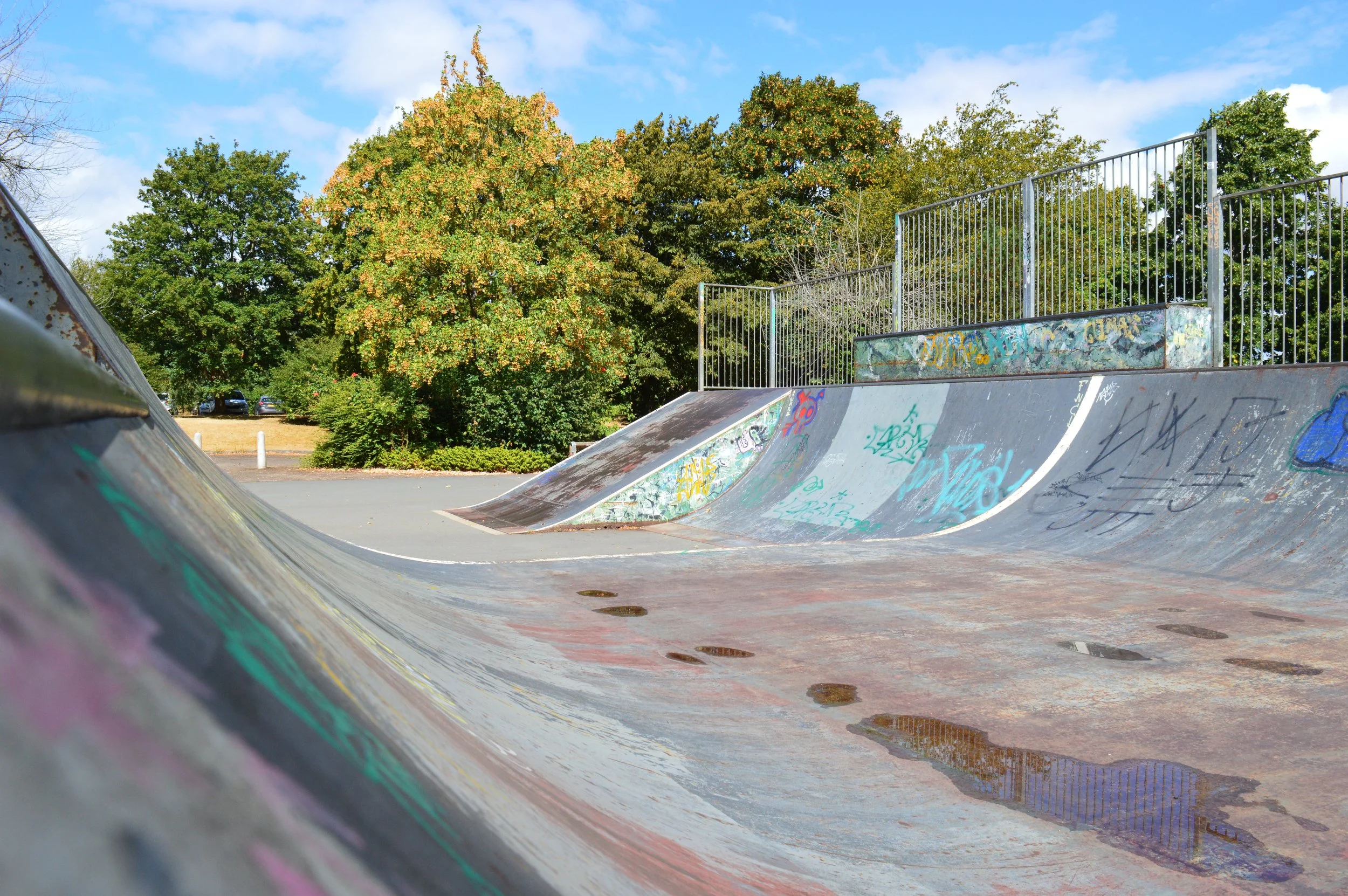
A much bigger, indoor or all-weather skate park
Proper pump tracks and mountain bike/dirt jump trails, made official
A dedicated BMX/dirt bike track
Go Ape-style rock and wall climbing
-
A detailed, recurring big ask. Several respondents went well beyond “a pool” to describe exactly what they wanted.
A much bigger swimming pool / water park with slides, wave machines and a Jacuzzi
An outdoor pool for summer
A safe, clean stretch of the River Wye to swim and paddle in — one respondent described this in detail as “our greatest asset,” currently undermined by pollution and poor upkeep
-
Consistently one of the top requests — somewhere indoors, sociable, and not sport-focused.
A cinema (the second most repeated named request after McDonald's)
A bowling alley
An arcade, mini-golf, ice skating, laser tag
-
Even with unlimited money, this theme stayed practical rather than extravagant.
A clean River Wye including a first-hand account of getting rashes from sewage after swimming
Large-scale litter clearance and more volunteer clean-up groups
More trees, rewilding, solar panels
-
Many big dream ideas that are focused on supporting others
A homeless shelter, and repeated, near-identical calls for “a warm home for them to live in”
A park where everyone is included, “even people in wheelchairs with disabilities”
Activities adapted for autism and other additional needs
An end to bullying, and “no one making fun of the disabled because it's not funny”
Therapy and mental health support for young people
Protection from adults who could cause young people harm
More police presence and quicker response times
How different are these big budget answers from the realistic-budget answers?
Almost everything that young people put forward - youth spaces, the skate park, shops, the river, cinema and bowling, road safety - also topped the realistic-budget list. What changes with an unlimited budget is scale and specificity, not priorities. “A better skate park” is, essentially, the same ask as “a huge indoor skate park with a pump track and dirt jumps.” “A youth club” is the same ask as “a youth hall with free minibuses, SEN space, and a club for kids to talk about what worries them.” “Clean the river” becomes a detailed vision of a safe river beach - again, it’s the same underlying ask. A clean, usable river.
Key takeaways for decision-makers
Whether asked to be realistic or to dream big, Ross’ young people are expressing the same needs: somewhere to belong, somewhere to be active, a clean river, shops they use, and safe ways to get around.
Most “big dream” asks have a realistic, fundable version already sitting in the earlier reports — a leisure centre upgrade instead of a water park, a youth hub instead of a theme park, better buses instead of a train station. A few ideas (an airport, a zoo, a ski lift) are not achievable regardless of budget, and that’s fine; being straight with young people about what's realistic is part of taking them seriously.
The river came up as both a practical and an emotional issue. There was a first-hand account of illness after swimming to a detailed vision of what a clean river could offer the town.
The overall tone of the answers reveals that this group of 11–18 year olds, given genuinely unlimited scope, put other people first. Asking for investment that helps the homeless, disabled young people, bullied classmates, young people and families struggling because of money.
What impactful changes would you like to see in Ross on Wye and the surrounding area to improve young people's lives?”
Respondents were asked the same question but this time with an explicit steer to be realistic about cost: “What impactful changes would you like to see in Ross-on-Wye and the surrounding area to improve young people's lives?”
A safe crossing near John Kyrle High School and a youth club "for everyone" were so specific and so repeated across hundreds of responses that they function almost as a mandate rather than just good ideas. We make a case here that these are two genuinely realistic, modest-cost items decision-makers could work together to action now.
-
The most requested single infrastructure change area, closely echoing the challenges report.
Free or cheaper bus travel for under-16s
More frequent, more reliable buses from rural areas
Better school bus provision, and mini-buses for sports clubs travelling to matches
A train station
Cycle paths and bike lanes (Ledbury Road named specifically)
A footbridge over the dual carriageway near out-of-town shops
Cheaper fuel/transport costs generally
-
By far the most emotionally charged theme — many respondents describe wanting somewhere to simply exist without being moved on.
A youth club “where everyone can go” (one of the most repeated answers overall)
A dedicated teen-only space (ages roughly 11–19), separate from younger children's play areas and adult spaces like pubs
Indoor options: bowling, cinema, arcade, pool/darts
More, and cheaper, clubs — including named requests for girls' rugby, basketball, and badminton
A place to “chill” without being told off or stared at by adults
More free or low-cost activities during holidays and weekends
SEN-specific groups and support for teens
-
A specific, well-loved facility that respondents want expanded and improved, alongside newer asks like a pump track.
A better/expanded skate park with improved ramps
A mountain bike park or pump track, and more bike jumps
A 4G/3G all-weather football pitch, and floodlights at the sports centre
A basketball court and a badminton court
A dog park
River-based recreation: canoe/paddleboard launch points, safer swimming areas
-
A specific, named wish list of retailers, alongside a general wish for fewer charity shops and barbers.
Named retailers: Primark, H&M, B&M, Home Bargains, a cheaper supermarket (Lidl), a bigger Co-op
Clothes shops, phone shops and banks, so less has to be done online
Hobby/specialist shops: a comic book store, a shop for tabletop games
A cinema, named repeatedly
Cheaper everyday prices — food, meal deals, and specifically restricting energy drink sales to children while also making healthier food cheaper
-
The single largest environmental theme in the dataset — cleaning up the River Wye specifically.
Reduce pollution in the River Wye (raised very frequently, in many different phrasings)
More litter bins, and organised litter-picking
Plant more trees / more green space
General anti-litter and anti-pollution measures
-
Highly specific and location-aware — several respondents named exact roads and junctions.
A safe crossing near John Kyrle High School (the most specific, most repeated single infrastructure ask in the dataset)
Speed bumps and reduced speed limits near schools (Goodrich village and the B-road past it named specifically)
Better street lighting in darker areas (Tanyard Lane named specifically)
More pedestrian crossings and barriers along busy roads generally
-
A direct, explicit echo of the concern raised in both earlier reports.
Stop building houses on fields and green space
Fewer new houses, more green areas and parks instead
-
This question surfaced a theme that hadn't come through as strongly before: young people explicitly connecting the area's problems to cost and opportunity, not just facilities.
Free or subsidised access to clubs and activities
Free school lunches for children who don't have enough money, and food banks
More job opportunities and apprenticeships for under-18s
A higher minimum wage for young workers
Cheaper everyday essentials generally
The five most-repeated, most specific things young people said they’d want if they had a realistic budget:
A safe crossing near John Kyrle High School — raised repeatedly and specifically, including calls for a named zebra crossing, over the dual carriageway young people currently cross at rush hour.
A youth club or dedicated teen space — “a youth club, where everyone can go” and close variants were some of the single most repeated exact answers in the dataset.
A better or expanded skate park — raised more often than almost any other single facility.
A cleaner River Wye — pollution and litter in the river were raised over and over as the top environmental ask.
Better, cheaper or free buses — especially for under-16s and for rural areas, echoing the transport theme from the challenges report.
-
Description text goes here
-
Description text goes here
-
-
Feeling safe
-
Item description
-
Item description
-
Item description
-
Item description
RECOMMENDATIONS
Turning what young people said into short- and long-term actions
In their own words: several ideas for action now that young people have already put forward
Several respondents named a problem, and proposed solutions.
“Put more shops in so people can hang out. I also think that we should have the roofs flat so we can grow more plants to help pollution.”
“there should be days where clubs around the town can go and show people what they do and get more kids to join them”
“it would be nice to have a private dog park that you can book for time slots, because our dog cant really be off the lead around other dogs”
“Wish we had a proper bike track with jumps and ramps”
“youth club needs to let girls use the main bathroom”
If you’re a decison-maker or part of a community group looking to embed youth voice or improve youth provision, please contact Lauren Rogers at Rural Media at laurenr@ruralmedia.co.uk / 01432 344039. Raw, redacted data from the 2026 Ross youth listening work is available for funding bids, policy development and evidence of need.
Data from Ledbury and Bromyard has previously supported community funding bids, expansion of youth services and insight on how under 18s experience life in rural places today.
Below are just some of the creative works produced by young people, aged 18 and under, as part of the 2026 Ross-on-Wye Youth Voice creative consultation.
It includes portraits taken by P.O.V. young photographers who, supported by photographer Billie Charity, captured images of people visiting The Hub (at-the-hub.co.uk) in Ross; street scenes captured on camera by Jack, street interviews by William and Ellie, and original work from Ross Creative Writers group.
-
![]()
Smart Warehouse Retrofit
-
![]()
Municipal Water Monitoring
-
![]()
Renewable Microgrid Design
-
![]()
Retail Demand Forecasting
Thank you to everyone involved including Ross Town Council and Esmee Fairbairn Foundation for their funding support. P.O.V. is a youth listening and empowerment project from Rural Media. Rural Media (charity number 1041335) uses film, media and digital arts to support rural young people and underserved communities to find their voice, develop their creative talent and drive social change.